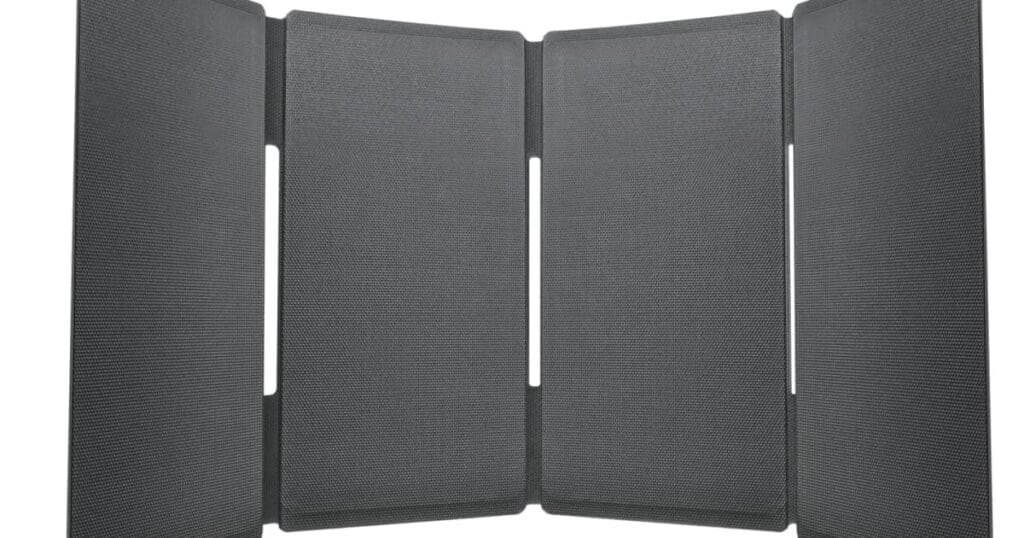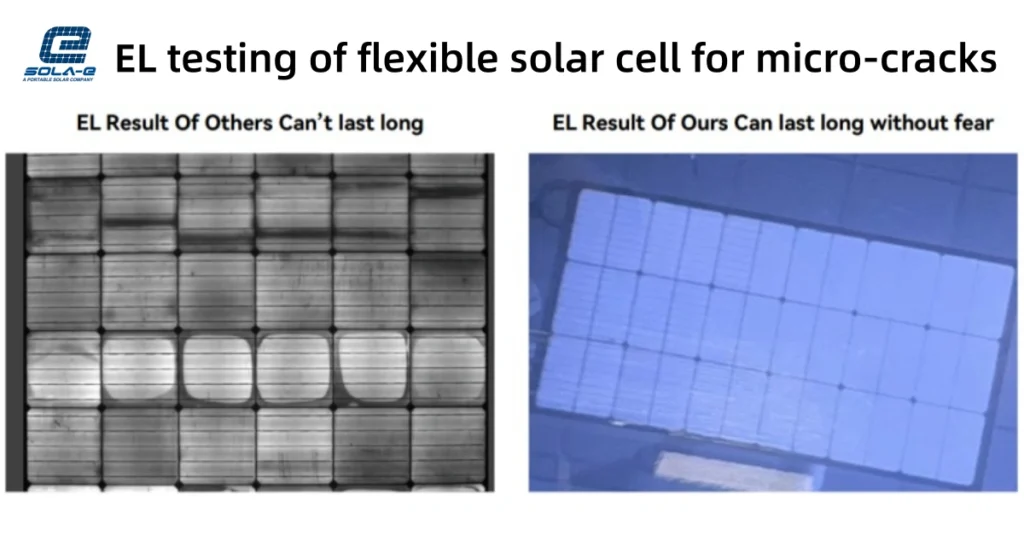
TL;DR: In 2022, a Brazilian logistics fleet operator asked Shenzhen Sola-E Technology to build a custom U-shaped 200W solar panel for their truck roofs. Sola-E’s engineering team identified structural risks in the U-shape design and proposed dual rectangular 200W, 36V panels instead — cutting unit production cost by ~18% and recording zero vibration-related structural failures over 24 months of continuous highway operation. This case study covers why the redesign worked, and what fleet buyers should check before committing to a custom panel shape.
Shenzhen Sola-E Technology is an ODM manufacturer specializing in vehicle-integrated solar panels for commercial fleets, RVs, and marine applications, providing structural design review, custom voltage configuration, and mass production support for OEMs and distributors worldwide.
Quick Facts: Brazil Fleet Solar Retrofit
- Market: Southeast Brazil (BR-101 / BR-116 highway corridors)
- Client Profile: Large-scale logistics operator, 100+ heavy-duty trucks
- Application: Auxiliary power for HVAC pre-cooling, telematics, and 24V battery float charging
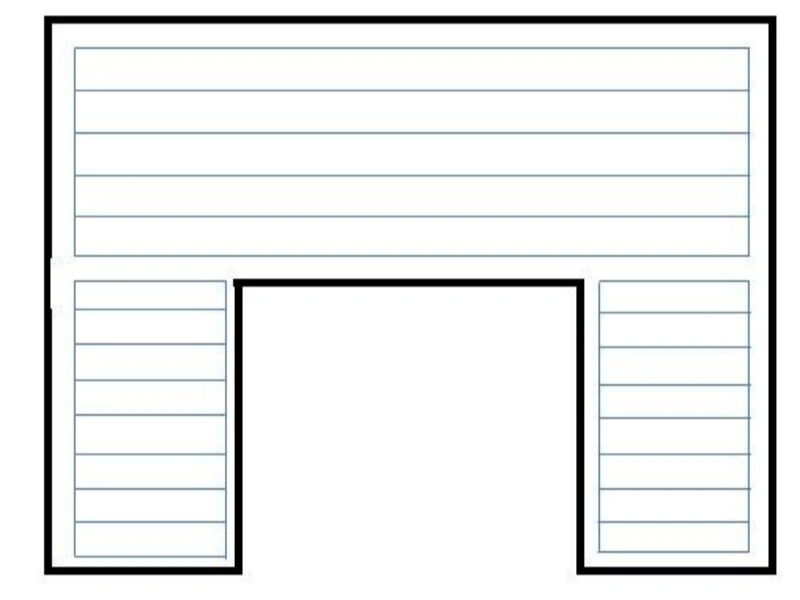
- Original Concept: Custom U-shaped 200W panel to fit cab roof recess
- Final Solution: Dual 200W, 36V rectangular mono panels per cab
- Business Outcome: ~18% lower unit cost vs. U-shape; Zero structural failures over 24 months
- Partnership Duration: 2022 – Present (Ongoing ODM Supply)
The Hidden Cost of “Perfect Fit” Solar Panels
When sourcing vehicle-integrated solar panels, most fleet managers and OEM specifiers focus heavily on wattage and unit price. However, in the commercial trucking sector—particularly across the diverse terrains of Brazil and Latin America—the factor that actually determines long-term ROI is panel geometry, not just spec sheet numbers.
In 2022, a leading Brazilian logistics sector operator running long-haul routes across Southeast Brazil approached Shenzhen Sola-E Technology to develop a custom rooftop solar solution. Their initial design was a U-shaped panel, meticulously contoured to wrap around the recessed central section of their truck cab roofs. While visually seamless, our engineering team identified critical structural flaws that would have compromised the entire fleet rollout before it started.
Why Do U-Shaped Solar Panels Fail on Truck Fleets?
The objective was to provide reliable off-engine power to support onboard electrical systems without over-relying on the alternator. The fleet operated primarily on long-haul routes, often facing inconsistent grid access during rest stops.
The client’s U-shaped proposal aimed to utilize every available square inch of the roof. Before committing to mold development, our engineers conducted a structural feasibility review and identified two major risks:
1. Excessive Manufacturing Costs: The irregular cell layout required custom jigs and resulted in higher silicon waste. Production costs were projected to increase by 15–20% compared to a standard rectangular module.
2. Vibration-Induced Degradation: Heavy-duty trucks in Brazil frequently operate on uneven pavements (BR-116, etc.) for 12–14 hours daily. The asymmetrical U-shape created stress concentration points at its inner corners. Finite Element Analysis (FEA), benchmarked against the vibration and mechanical load test methods outlined in IEC 61215 (the standard test protocol for crystalline silicon terrestrial PV module design qualification), indicated a high probability of solder joint micro-cracking and encapsulation delamination within the first 12–18 months of service.
The Optimized Solution: Dual Rectangular Panels
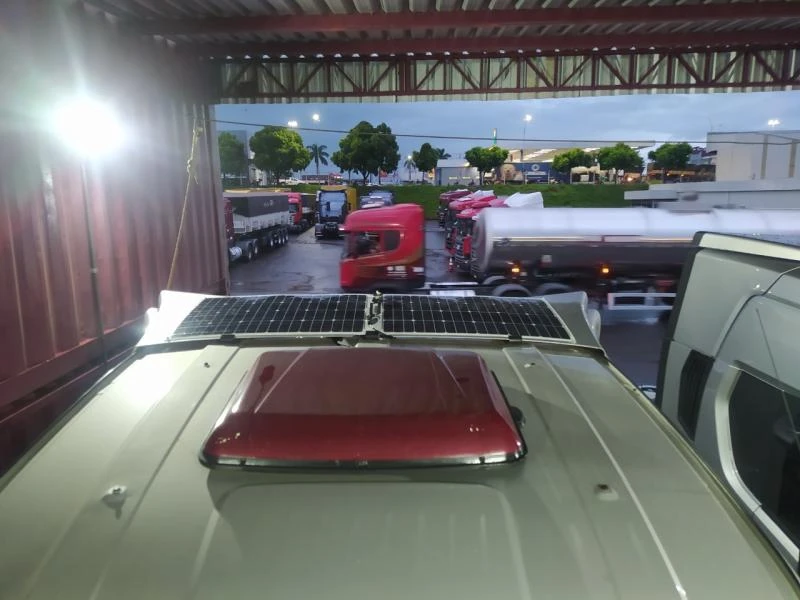
We proposed a strategic pivot: two standard rectangular 200W, 36V monocrystalline panels mounted on the flat surfaces flanking the central recess.
- Electrical Optimization: The 36V nominal output was selected to pair efficiently with the fleet’s standard 24V DC electrical architecture (common in South American heavy trucks), allowing for high-efficiency buck conversion and minimizing heat buildup in tropical climates.
- Structural Integrity: The symmetrical layout distributed road vibration evenly across the frame, eliminating the stress concentration points present in the U-shaped design.
The client approved the redesign. Mass production commenced swiftly, and the supply relationship has remained active since 2022.
On-Site Deployment: Built for the Long Haul
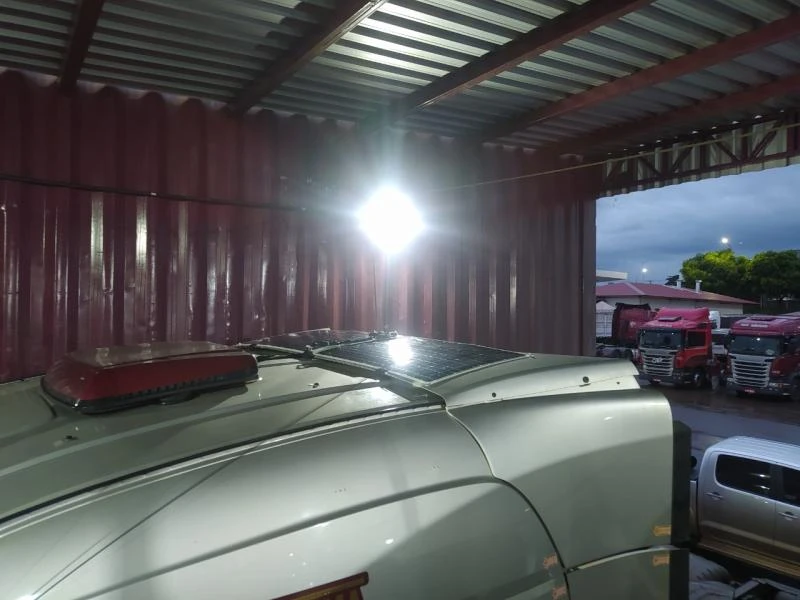
The field installation features a dual-panel configuration, seamlessly integrating with the existing cab structure without compromising aesthetics or aerodynamics.
- Specification: 200W, 36V Monocrystalline (x2 per vehicle)
- Mounting: Low-profile, vibration-dampened brackets
- Environment: Continuous long-distance road transport; high UV exposure; heavy vibration
- Performance: Consistent power delivery for battery maintenance, reducing alternator load and fuel consumption.
Key Lessons for Fleet Solar Project Buyers
For fleet operators looking to dive deeper into stress analysis, refer to our Solar Panel Structural Design Guide. To explore compatible products, visit our Commercial Vehicle Solar Panels category.
Why Irregular (U-Shaped) Panels Fail in Fleets
- Higher CAPEX: Complex manufacturing processes inflate unit costs and extend lead times.
- Premature Failure: Uneven stress distribution under constant vibration leads to cell cracking and power attenuation.
- High OPEX: Increased warranty claims and difficult replacements disrupt fleet uptime.
Why Does a Rectangular Layout Outperform a Custom Shape?
- Cost Efficiency: Standardized production lowers unit costs and ensures competitive bulk pricing.
- Superior Reliability: Balanced structural stress effectively resists highway vibration and mechanical shear forces.
- Scalability: Lower defect rates and consistent quality support stable, large-scale fleet deployment.
- Field-Proven: Validated by 2+ years of rigorous operation in Brazilian logistics environments.
| Feature | Custom U-Shaped Panel | Optimized Rectangular Layout (Sola-E) |
|---|---|---|
| Unit Cost | High (+15-20%) | Baseline (Optimized) |
| Vibration Resistance | Low (Stress Concentration) | High (Even Load Distribution) |
| Manufacturing Lead Time | Long (Custom Tooling) | Short (Standard Process) |
| Fleet Scalability | Poor | Excellent |
| Maintenance Risk | High | Low |
Our B2B ODM Capabilities for Vehicle Solar Integration
Shenzhen Sola-E Technology specializes in bridging the gap between automotive design and solar engineering. We don’t just supply panels; we provide Design-for-Manufacturability (DFM) insights that protect your bottom line.
Core Services:
- Free Structural Layout Consultation: Avoid costly mistakes before tooling investment.
- Custom ODM Development: Tailored power, voltage (e.g., 12V/24V/48V systems), and dimensions.
- Vibration Stress Simulation: FEA testing referenced against IEC 61215 methodology to ensure longevity in harsh transport environments.
- OEM Branding: White-label solutions for distributors and equipment wholesalers.
- Stable Mass Production: Guaranteed capacity for large-volume fleet orders.
- Technical Documentation: Complete installation guides and specs for fleet maintenance teams.
Design Tip for Fleet Engineers
When evaluating curved or recessed roof areas, always request a vibration stress simulation (FEA) and a cost-delta analysis between custom shapes and modular rectangular layouts. In most commercial vehicle programs, a multi-panel rectangular configuration outperforms a complex single-piece design on both CAPEX and OPEX.
Ready to Optimize Your Fleet’s Solar Layout?
Don’t let a “perfect fit” design compromise your fleet’s reliability. If you are planning a vehicle solar project for trucks, refrigerated units, or specialty vehicles, contact our engineering team today.
Request a Free Layout Assessment & ODM Quotation
Sam | Solar Application Specialist
With over 10 years of experience in the photovoltaic manufacturing industry, Sam specializes in risk control and application engineering for portable battery chargers and marine solar panel solutions. He helps OEMs and distributors bridge the gap between technical specs and real-world performance.