If you are looking for a reliable solar battery for IoT sensors or trying to figure out why your remote devices keep dying at 3:00 AM, you are in the right place.
A reliable IoT power system always has three parts:
- Solar Panel: Your energy income.
- Battery: Your energy storage (the savings account).
- IoT Device: Your energy consumption (the spending).
If even one part is mis-sized, the whole system fails. I’ve seen many engineers spend weeks perfecting their code, only to have their project fail because they picked the wrong battery chemistry. I want to help you get the “savings account” of your IoT device right from the start.
Table of Contents
Step 1: Understand Battery “Autonomy”
In the world of off-grid power, we have a term called Autonomy. This is simply the number of days your device can run without any sunlight at all.
- Action: Decide how many days of “darkness” your project needs to survive.
- Standard: For most sensors, I recommend 3 to 5 days.
- Expert Tip: Not sure how much energy your device uses? Start with our solar panel sizing guide to find your daily consumption first.
Step 2: Pick the Right Chemistry
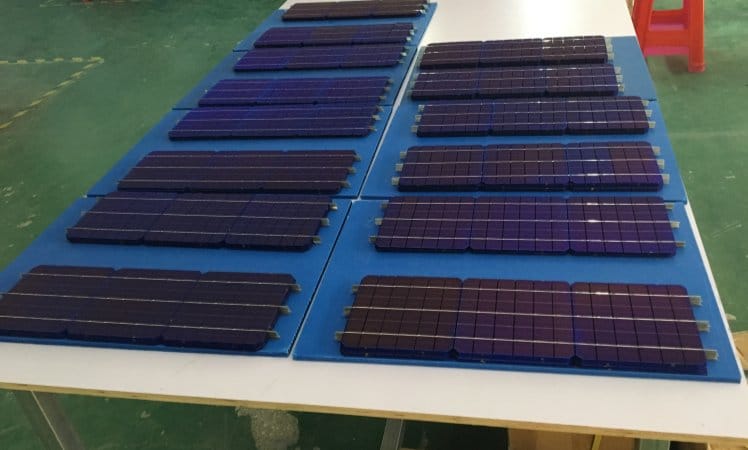
When picking a solar battery for IoT sensors, you usually have two main choices: Li-ion or LiFePO4 (Lithium Iron Phosphate).
- Li-ion: Light and small, but sensitive to high heat. Usually lasts around 500 cycles.
- LiFePO4: The “Gold Standard” for industrial IoT. It is safer, handles heat better, and can last for over 2,000 cycles.
The Factory Secret: At Senior Solar, we suggest LiFePO4 for 90% of our industrial projects. If you want to see how we integrate these into our custom kits, check out our manufacturing deep dive.
Step 3: The “Depth of Discharge” Math
You can’t actually use 100% of a battery’s capacity without damaging it. We call the usable part the Depth of Discharge (DoD). To calculate your required capacity, use this engineering formula:
C = \frac{E \times A}{D}
- C = capacity
- E = daily energy
- A = autonomy
- D = DoD(Depth of Discharge)
Example: If your device uses 1Wh per day and you want 5 days of autonomy:
$$(1Wh \times 5) \div 0.8 = 6.25Wh$$
Step 4: The Winter Charging Trap
Most lithium batteries have a secret weakness: They cannot charge below 0°C (32°F).
Real Case: The “Winter Blackout”
A client deployed sensors in Northern Canada. They used a standard solar battery for IoT sensors. In December, the sun was out and the panel was making power. But because the battery was frozen, the BMS (Battery Management System) blocked the charge to prevent fire.
The result? The battery eventually drained to zero and the sensor died. We now help clients design specialized insulated enclosures for high-latitude projects.
Step 5: Protecting the “Heart”
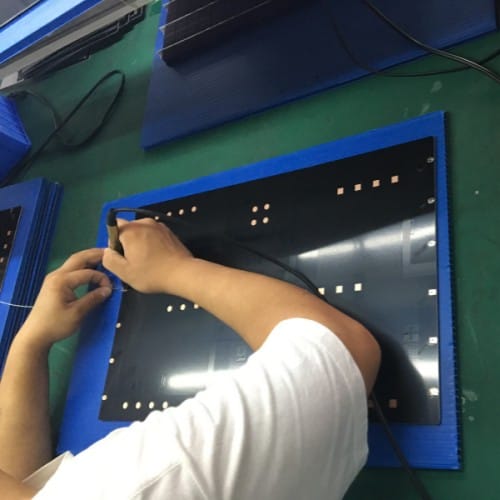
When we build custom OEM solar kits, we make sure the battery is protected by a high-quality BMS from:
- Overcharging: Prevents swelling.
- Over-discharging: Prevents “bricking” (permanent death of the battery).
- Extreme Temperatures: Essential for 365-day uptime.
If your sensor lives in a harsh environment, the outer casing matters too. Read our ETFE vs PET solar panel guide to learn about the best protective materials.
FAQ: Solar Batteries for IoT
1. What is the best battery for outdoor IoT sensors?
LiFePO4 is the best for longevity and safety in varied temperatures.
2. How do I calculate how long my IoT battery will last?
Divide your usable capacity (Wh) by your daily energy use. This gives you your autonomy days.
3. Can I charge a lithium battery in freezing weather?
Not without a specialized BMS with a heating element or adequate insulation. Standard lithium batteries will be damaged if charged below 0°C.
Not sure what battery capacity you need?
Most IoT projects don’t fail because of bad hardware.
They fail because the battery was sized incorrectly.
A small mistake in battery selection can lead to:
- Device downtime
- Data loss
- Expensive field maintenance
Get Your Free Engineering Calculation
Not sure what battery capacity you need?
Most IoT projects don’t fail because of bad hardware.
They fail because the battery was sized incorrectly.
A small mistake can lead to:
- Device downtime
- Data loss
- Expensive field maintenance