Executive Summary
Search demand for balcony solar panels in the USA is increasing rapidly as urban homeowners and apartment residents look for alternative energy solutions without rooftop access.
But in the US market, the biggest challenge is not panel efficiency or installation difficulty.
It is compliance.
For apartment owners, distributors, and urban solar integrators, a successful balcony solar project depends on three critical factors:
- HOA acceptance
- NEC-compliant electrical integration
- Non-invasive mounting methods
This is where many low-cost imported systems fail.
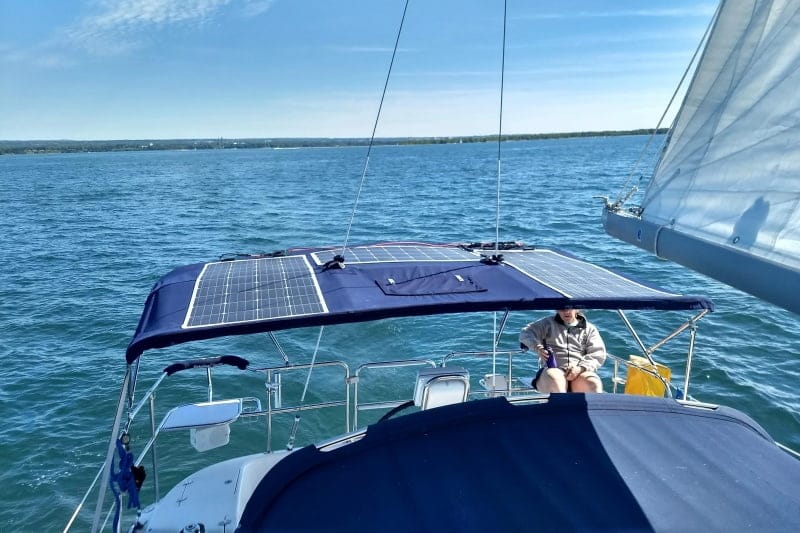
Modern flexible solar panels combined with micro-inverters are creating a new category of lightweight urban energy systems specifically designed for apartments, condos, and mixed-use buildings.
Table of Contents
1. Why Balcony Solar Is Growing in the USA
Traditional rooftop solar is not practical for millions of urban residents.
In cities like:
- Los Angeles
- New York
- Chicago
- San Francisco
many people live in:
- apartments
- condominiums
- rental properties
- HOA-regulated buildings
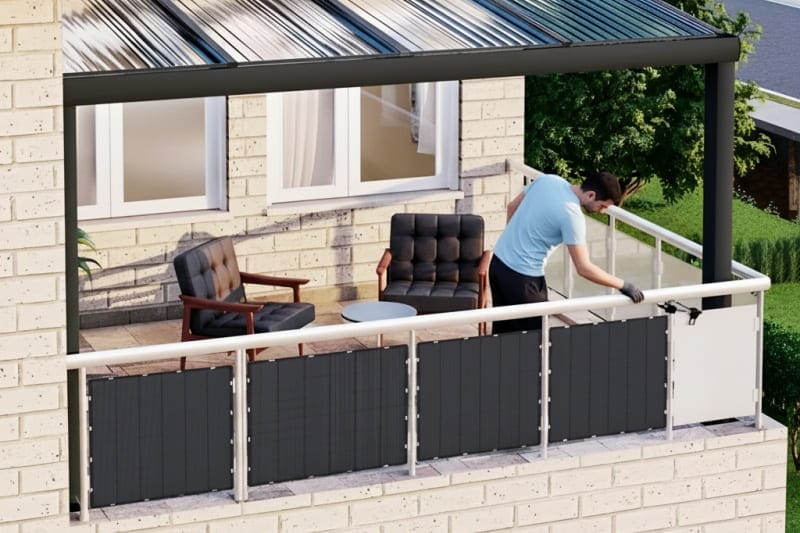
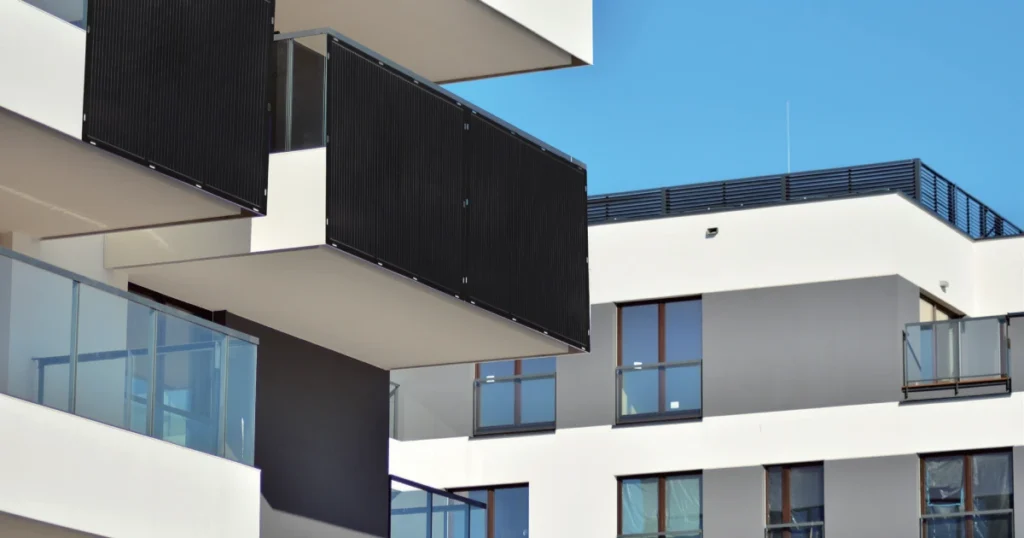
Balcony solar systems provide a practical alternative.
Unlike traditional rooftop systems, modern balcony solar setups are:
- lightweight
- non-invasive
- removable
- modular
- suitable for renters and apartment owners
The rise of:
- flexible ETFE panels
- micro-inverters
- plug-and-play energy systems
has made small-scale urban solar far more realistic than it was five years ago.
2. The Real Challenge: Compliance, Not Installation
Most online articles focus on:
- drilling brackets
- roof mounting
- cable routing
But US apartment solar projects fail for a completely different reason: Improper compliance planning.
For urban balcony systems, the real engineering challenge is:
- electrical safety
- HOA approval
- structural limitations
- legal installation methods
3. HOA Restrictions & Solar Rights Laws
Before selecting a panel, buyers must first understand local HOA and building regulations.
Many apartment owners assume balcony solar is prohibited.
However, several US states have implemented Solar Rights Acts designed to prevent unreasonable restrictions on residential solar adoption.
The key factor is usually not the solar panel itself, but the installation method.
High-risk installations include:
- permanent drilling
- visible exterior modifications
- exposed wiring
- structural alterations
Low-risk systems typically use:
- removable flexible panels
- structural straps
- zip-tie mounting systems
- non-penetrating balcony rail attachments
These approaches reduce conflicts with building management while protecting the building envelope from water ingress and structural damage.
4. Why Flexible Solar Panels Fit Urban Balcony Systems
Traditional rigid glass panels were never designed for apartment balconies.
They are:
- heavy
- visually intrusive
- difficult to secure safely in high-wind urban environments
Modern ETFE flexible solar panels solve many of these problems.
Flexible Panel Advantages for Balcony Solar
| Feature | Rigid Glass Panels | Flexible ETFE Panels |
| Weight | Heavy | Ultra-lightweight |
| Balcony Mounting | Difficult | Easy |
| Wind Resistance | High wind drag | Flush aerodynamic profile |
| Building Damage Risk | Higher | Lower |
| HOA Acceptance | Lower | Higher |
| Portability | Poor | Excellent |
Flexible panels also allow:
- temporary installations
- seasonal energy setups
- removable tenant-friendly systems
For urban energy projects, this flexibility is often more important than absolute maximum efficiency.
5. The Electrical Side: Micro-Inverters & NEC Compliance
The most important part of a balcony solar system is not the panel.
It is the grid integration method.
Modern balcony solar systems typically rely on:
- micro-inverters
- plug-and-play AC output
- GFCI-protected outlets
A micro-inverter converts DC electricity directly into usable AC power at the panel level.
This creates several advantages:
- improved safety
- simplified installation
- lower voltage risk
- easier modular expansion
According to US National Electrical Code (NEC) guidelines, outdoor plug-connected systems should use:
- weather-protected cabling
- certified connectors
- GFCI outlets
- compliant grounding methods
Low-quality systems often ignore these requirements, creating serious long-term risks.
6. The Biggest Risks in Balcony Solar Installations
Many urban balcony solar failures are not caused by solar panels themselves.
They are caused by improper integration.
Common Failure Points
A. Water Damage from Drilling
Improper roof or wall penetration can lead to:
- water ingress
- mold
- insulation damage
- HOA disputes
B. Wind Load Failure
Rigid panels mounted improperly on balcony railings can become dangerous during high winds.
C. Non-Compliant Electrical Connections
Using uncertified inverters or indoor-rated extension cables outdoors creates:
- fire risks
- insurance issues
- NEC violations
D. Low-Quality PET Panels
Cheap PET laminated panels often degrade rapidly under:
- UV exposure
- heat cycling
- urban pollution
Modern ETFE coatings provide significantly better long-term durability for outdoor urban deployment.
7. Plug-and-Play Urban Solar Is the Future
Europe has already seen explosive growth in:
- balcony power stations
- apartment solar kits
- micro-grid urban systems
The US market is now beginning to follow the same trend.
Urban solar is evolving toward:
- modular systems
- removable installations
- lightweight flexible panels
- distributed micro-generation
For distributors and OEM brands, this creates a rapidly growing opportunity in:
- apartment energy kits
- urban emergency backup systems
- balcony-ready solar packages
- portable residential micro-grids
8. Final Engineering Recommendation
For US urban balcony applications:
Recommended System Structure
| Component | Recommended Solution |
| Panel Type | Flexible ETFE |
| Mounting | Non-invasive straps or zip ties |
| Power Conversion | Micro-inverter |
| Electrical Protection | GFCI-compliant outlet |
| Use Case | Apartment & urban balcony systems |
The future of urban solar is not large rooftop arrays.
It is lightweight, compliant, removable energy systems designed specifically for modern city living.
Frequently Asked Questions (FAQ)
Q1: Are balcony solar panels legal in the USA?
In many states, yes. However, legality depends on:
- local electrical codes
- HOA regulations
- building restrictions
- installation methods
Always verify local NEC and property requirements before deployment.
Q2: Do balcony solar systems require drilling?
Not necessarily.
Modern flexible solar systems can use:
- structural straps
- zip ties
- non-penetrating mounting systems
This helps avoid water damage and HOA conflicts.
Q3: Why are flexible panels better for balconies?
Flexible ETFE panels are:
- lighter
- safer in high winds
- easier to transport
- easier to remove
- less visually intrusive
These advantages make them more suitable for urban balcony environments.
Q4: What is the role of a micro-inverter?
A micro-inverter converts DC electricity into usable AC electricity directly at the panel.
This simplifies:
- grid integration
- modular expansion
- urban plug-and-play deployment
Q5: Are cheap PET flexible panels reliable?
Usually not for long-term outdoor urban use.
PET panels often suffer from:
- UV degradation
- yellowing
- cracking
- delamination
ETFE-coated panels are significantly more durable in harsh outdoor environments.
Planning a Balcony Solar or Urban Off-Grid Project?
Sam | Solar Application Specialist
With over 10 years of experience in the photovoltaic manufacturing industry, Sam specializes in risk control and application engineering for portable battery chargers and marine solar panel solutions. He helps OEMs and distributors bridge the gap between technical specs and real-world performance.